

Understanding AS/NZS 3760: What Every Business Owner Should Know About Test And Tag In Sydney
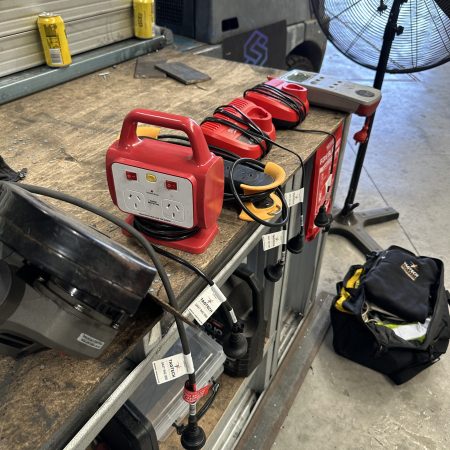
Understanding AS/NZS 3760: What Every Business Owner Should Know About Test And Tag In Sydney
Electrical safety plays a major role in every workplace. Because businesses rely on electrical equipment every day, they must manage risks carefully. For this reason, AS/NZS 3760 provides clear guidance on how to inspect and test equipment used at work.
In simple terms, the standard explains how businesses can keep equipment safe while also meeting safety responsibilities. Therefore, understanding how it works helps owners reduce risk, improve safety, and maintain compliance.
At Tagtech Australia, we help businesses across Sydney follow these requirements with practical and reliable test and tag services.
What Is AS/NZS 3760?
AS/NZS 3760 is the Australian and New Zealand standard for inspecting and testing electrical equipment used in workplaces. Essentially, it sets out a consistent approach so businesses can maintain equipment safely over time.
What the standard covers
Inspection procedures
Electrical testing methods
Tagging requirements
Retest intervals
Record keeping
As a result, businesses can monitor equipment condition instead of waiting for faults to appear.
Why AS/NZS 3760 Matters for Businesses
Over time, electrical equipment naturally wears down. Consequently, hidden faults can develop and increase the risk of injury or damage. By following the standard, businesses take a proactive approach to safety rather than reacting after problems occur.
Key reasons businesses follow the standard
It helps identify potential electrical hazards early
It supports workplace safety obligations
It creates consistent testing schedules
It lowers the chance of equipment failure
It shows a clear commitment to safety
Because of these benefits, many organisations treat test and tag as a core safety practice.
Testing Intervals Under AS/NZS 3760
One of the most useful parts of the standard is the guidance on how often equipment should be tested. However, intervals depend on how and where equipment is used.
Typical examples
High-risk environments
For example, construction sites and workshops often require testing every 3 months because equipment faces tougher conditions.
Medium-risk environments
Similarly, factories and warehouses usually follow 6 to 12 month intervals depending on usage.
Low-risk environments
In contrast, offices may only need testing every 1 to 5 years since equipment experiences less wear.
Ultimately, businesses should choose intervals based on real workplace conditions.
What Happens During an AS/NZS 3760 Test and Tag Service?
The process remains straightforward while still providing clear safety verification. First, the technician checks the equipment visually. Next, they complete electrical testing using specialised tools. Then, they apply a tag that shows the result. Finally, they record the outcome for compliance purposes.
Step-by-step process
Visual inspection for damage or wear
Electrical testing with calibrated equipment
Tagging with pass or fail status
Recording results for documentation
If an item fails, technicians remove it from service until it is repaired or replaced.
Equipment Covered by the Standard
The standard applies to most portable and plug-in equipment used in workplaces. Even items that seem low risk can become dangerous if damaged or poorly maintained.
Common examples
Power tools
Extension leads
Office equipment
Kitchen appliances
Power boards
Chargers and adaptors
Because these items are used frequently, regular inspection helps keep workplaces safe.
Responsibilities of Business Owners
Although AS/NZS 3760 itself is not legislation, businesses often rely on it to demonstrate they manage electrical risks properly. Therefore, following the standard supports broader workplace safety duties.
Businesses are expected to
Identify electrical hazards
Put risk controls in place
Maintain safe equipment
Keep testing records
Review testing schedules
Together, these steps create a safer and more structured approach to equipment management.

Why Businesses Choose Tagtech Australia
Tagtech Australia focuses on practical compliance and clear reporting. As a result, businesses can confidently manage safety requirements without unnecessary complexity.
✔ Strong understanding of AS/NZS 3760 procedures
✔ Clear tagging and compliance documentation
✔ Flexible scheduling across Sydney NSW
✔ Experience across different industries
✔ Focus on real risk reduction
We aim to make compliance simple, clear, and reliable.
📞 Call 0447 942 990
📧 Email info@tagtechaustralia.com.au
Experience, Expertise, Authority, and Trust
This article reflects recognised electrical safety practices and the intent of AS/NZS 3760. However, every workplace is different, so testing programs should consider equipment type, environment, and usage. Professional guidance ensures the most suitable approach for each business.

